
For many black car and chauffeur companies, the customer experience is highly professional once the vehicle arrives.
The challenge often happens before the ride begins.
A potential customer visits the company website after business hours. They want to know whether an SUV is available, what the trip will cost and whether they can reserve it immediately.
Instead, they find a phone number. Or a contact form. Or a message telling them to call for pricing.
That model can still work, but customer expectations have changed. Travelers increasingly expect to be able to complete a reservation when they are ready — not necessarily when someone is available to answer the phone.
For a transportation operator, solving that problem used to mean investing in expensive software, connecting several systems or building a custom application.
It doesn't have to.
A modern black car company can offer professional online booking while continuing to control its own brand, pricing and customer relationships.
The key is choosing infrastructure that works behind the transportation company rather than replacing it.
Why Online Booking Matters for Black Car Companies
Professional chauffeured transportation is different from rideshare.
Customers may be arranging:
- Airport transportation
- Executive travel
- Hourly chauffeur service
- Corporate meetings
- Private aviation transfers
- Cruise transportation
- Weddings and special events
- Group transportation
- Multi-stop itineraries
These reservations frequently involve more information than simply selecting a pickup and destination.
The operator may need to know the vehicle class, passenger count, flight information, service duration, luggage requirements, additional stops or special services.
But customers still expect the reservation process to be convenient.
An effective online booking system bridges two needs: a simple customer experience on the front end and a structured transportation workflow behind it.
The Problem With Phone-Only Reservations
Personal service will always matter in premium transportation. Online booking should not eliminate that. It should eliminate the unnecessary friction surrounding routine reservations.
Consider what happens when a customer needs a transfer at 10:30 PM and finds two transportation companies.
Company A says: Call us for rates and availability.
Company B allows the customer to enter the trip information, select a vehicle, see the applicable price and submit the reservation immediately.
Even if both companies provide excellent transportation, Company B has removed several steps from the buying process.
Phone calls should remain available for complicated itineraries and customers who prefer personal assistance. They simply should not be the only way a customer can begin a reservation.

You Probably Don't Need to Build Your Own App
The word "app" often becomes the first idea when transportation companies think about modernizing their booking process. But building a proprietary application introduces an entirely different business problem.
An operator would need to consider:
- Customer authentication
- Reservation storage
- Pricing logic
- Mapping and distance calculation
- Credit-card processing
- Customer notifications
- Driver communication
- Trip status tracking
- Security and software updates
- Mobile compatibility
- Payment disputes
- Server infrastructure and ongoing maintenance
And after all of that, customers still need to download the application.
For many small and midsize transportation companies, the more practical solution is a mobile-friendly hosted booking experience that connects directly to the company's existing website.
A customer clicks Book Now and is taken directly into the reservation process. No download required.
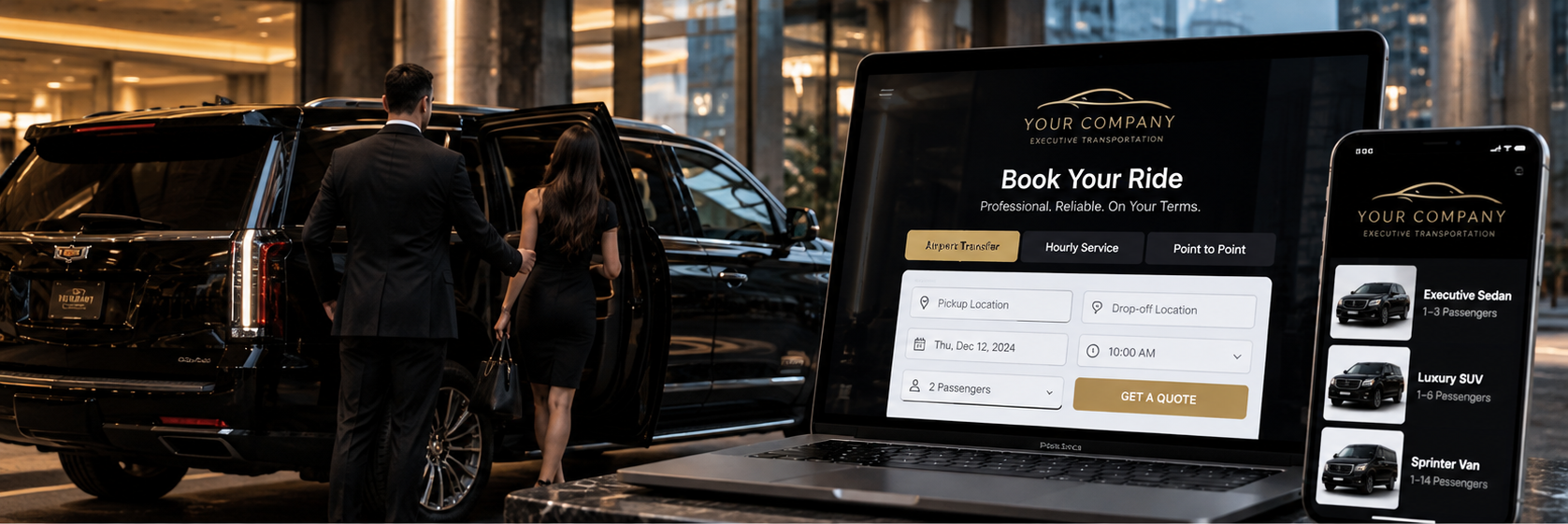
A hosted booking experience connects directly to the operator's website — branded with their company identity.
What a Professional Black Car Booking System Should Include
Not every online form is a true booking system. A basic form that sends an email saying, "Someone would like a ride," still requires the operator to manually rebuild the reservation. A useful transportation booking system should connect several parts of the operation.
1. A Branded Booking Experience
The customer should know which transportation company they are booking with. That means displaying the company name, logo, available services, vehicle choices, customer pricing and contact information.
The technology provider can operate behind the transaction without replacing the operator's identity. That distinction is especially important for companies that already have repeat customers, hotel relationships, corporate accounts or local recognition.
2. Pricing Controlled by the Transportation Company
Different operators price transportation differently. One company may charge a flat rate from the airport. Another may use mileage-based pricing. Hourly service may require a three-hour minimum. Airport pickups may include an airport fee. Private aviation, event transportation and specialty services may follow completely different pricing rules.
A useful booking system should allow the operator to maintain its own rates instead of forcing every company into one standardized price structure. The operator should be able to update pricing without requesting a developer to change website code every time a rate changes.
3. Add-Ons and Pass-Through Charges
The transportation fare is rarely the only possible charge. Depending on the market and service type, reservations may involve:
- Meet-and-greet service
- Child or booster seats
- Additional stops
- Airport fees and parking
- FBO access
- Event permits and stadium access
- Luggage trailers
- Special transportation coordination
Those items should be built into the reservation workflow rather than handled through handwritten notes after the customer books. Some charges are transportation revenue. Others are third-party expenses. A well-designed system should be able to treat them differently.
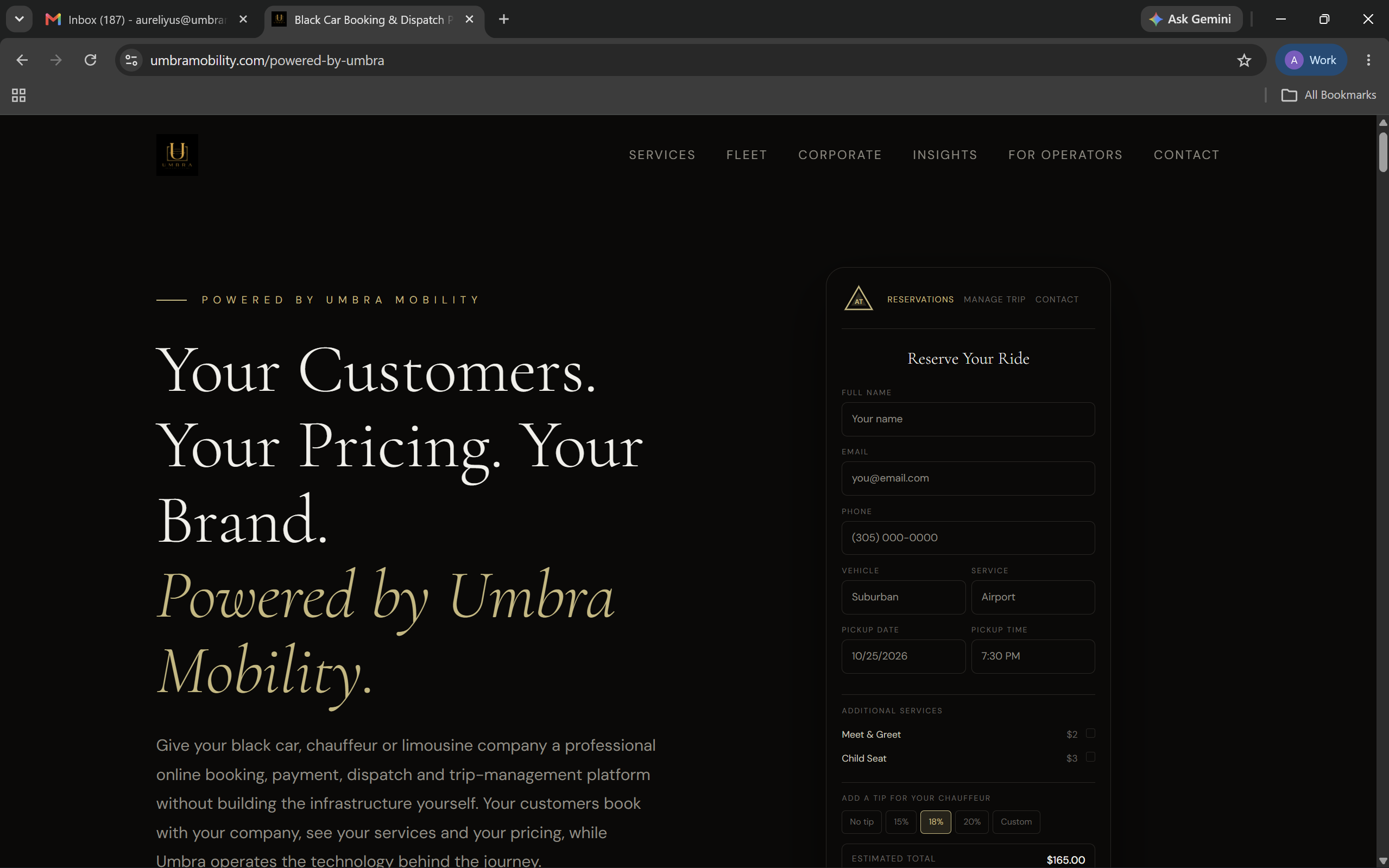
Operators manage their own add-ons and fees through the affiliate portal.
4. Integrated Payments
Once the customer decides to book, payment should be part of the same experience. Requiring the customer to submit a reservation and then wait for someone to call back for payment introduces another opportunity for the booking to disappear.
Integrated payment processing helps connect reservation, payment, confirmation and dispatch into one workflow. It also gives the transportation company a cleaner record of what the customer selected and what was charged.
5. Dispatch Should Begin With the Reservation
Online booking becomes much more valuable when the reservation automatically becomes an operational trip. Otherwise the office still has to copy the customer name, phone number, pickup, destination, date, time, vehicle and notes from one system into another.
That is unnecessary duplication. A connected platform should allow the confirmed reservation to move directly into the transportation company's trip-management and dispatch workflow.
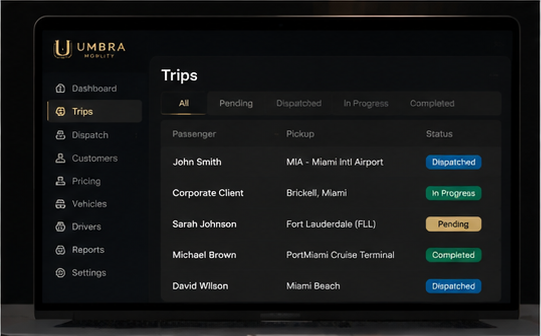
Reservations flow directly into the operator's trip management and dispatch workflow.
6. Chauffeur Status Updates
Once the ride begins, the customer experience should continue. Professional transportation companies commonly need statuses such as accepted, en route, at location, passenger onboard and completed.
Those statuses help the operator understand exactly where the trip stands and can also trigger customer communications. The booking should not exist in one system while the chauffeur operates from an unrelated text-message thread.
7. Customer Trip Tracking and Communication
Customers appreciate knowing what is happening without having to call dispatch. Useful trip communications can include reservation confirmation, chauffeur en-route notification, arrival notification, trip tracking, completion notification and receipt or payment confirmation.
For affiliate-generated reservations, those communications should continue to reinforce the transportation company's identity. Technology should support the relationship between the operator and its customer — not interrupt it.
Customers receive a tracking link showing live chauffeur location and trip status.
Your Customer Should Remain Your Customer
This may be the most important issue when choosing an outside booking platform.
A transportation company has often spent years building customer relationships. The operator may have invested in search advertising, SEO, hotel partnerships, corporate accounts, referrals, networking and repeat-customer service.
Sending those customers into a public marketplace where they can compare competing transportation companies defeats much of the purpose.
A hosted booking system should provide a dedicated experience. If the customer arrived through your company, the booking experience should show your services, your pricing and your company. Not a list of competitors.
How a Hosted Booking Page Can Connect to Your Existing Website
Adding online booking does not necessarily require rebuilding the transportation company's website. The simplest implementation is often a Book Now button.
For example: YourCompany.com → Customer selects Book Now → Customer enters the company's dedicated booking page.
From there, the same booking link can also be used through text messages, email, social media, Google Business Profile, hotel concierge relationships, business cards, QR codes and printed marketing materials.
This allows the same reservation infrastructure to support multiple customer-acquisition channels.
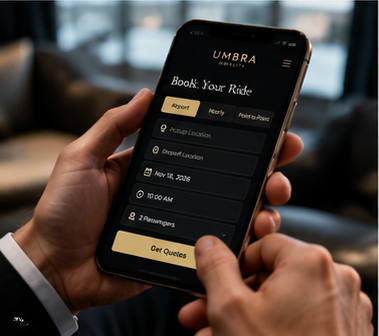

Mobile booking and QR codes give customers instant access from any device or location.
What About Customers Who Still Call?
Keep answering the phone.
Online booking and personal service are not competing ideas. The goal is to give customers another option. Simple airport transfers may be booked online. A corporate roadshow involving six executives and three vehicles may still require a conversation. A wedding planner may want to speak with someone. A repeat client may simply text.
Good technology handles the routine work so the operator has more time for the situations that actually require personal attention.
What Happens When You Can't Cover the Ride?
This is another challenge independent transportation companies eventually face. A customer books. Your vehicles are already committed. A chauffeur becomes unavailable. An existing trip runs late. Or demand unexpectedly exceeds capacity.
Traditionally, the operator starts calling trusted affiliates.
A transportation platform connected to a broader affiliate network can make that process more structured. The customer can remain associated with the original transportation company while fulfillment is coordinated through another approved operator when necessary.
For a growing company, that creates a valuable middle ground: you do not need to own every vehicle required to serve every customer.
Reviews Should Build Your Business Too
The customer relationship should not end when the chauffeur taps Completed. Post-trip communication can help operators collect private customer feedback, service-quality information and Google reviews.
If the customer originated with the affiliate transportation company, the review request should support that company's reputation. Over time, better customer feedback and stronger local reviews can contribute to repeat business and future customer acquisition.
Build the Technology or Use Infrastructure?
Transportation companies ultimately have three broad choices.
Build Everything Internally
Maximum control, but also maximum responsibility for development, integrations, security and maintenance.
Combine Several Independent Systems
Potentially flexible, but the operator may need to connect reservations, payments, dispatch and customer communications separately.
Use a Transportation Platform
The operator uses existing infrastructure while maintaining control over the transportation business itself.
The Real Question
Do we want to become a software company — or do we want technology that helps us operate our transportation company?
How Powered by Umbra Approaches Online Booking
Powered by Umbra Mobility was developed around that distinction.
Approved Umbra transportation partners can receive a dedicated booking experience using their own company identity, services and customer pricing while Umbra operates the infrastructure behind the reservation.
The current platform connects:
- Branded booking pages
- Self-service pricing
- Add-ons and fees
- Secure payment processing
- Automatic reservation assignment
- Dispatch workflow
- Chauffeur trip statuses
- Customer trip tracking
- Customer communications
- Google review follow-up
- Affiliate payouts
- Booking links and QR codes
- Optional overflow through the Umbra affiliate network
Customers arriving through an affiliate's Powered by Umbra booking page are shown that affiliate's services and pricing rather than competing affiliate booking pages.
The model follows a simple principle: Your customers. Your pricing. Your brand. Umbra operates in the background.

From website visitor to confirmed reservation — one connected workflow.
From Website Visitor to Confirmed Reservation
A typical Powered by Umbra workflow looks like this:
The operator receives a dedicated booking page
The page contains the affiliate's approved company name, logo, services and pricing.
The operator connects it to their website
The company can use a Book Now button, direct booking link or QR code.
The customer books
They choose the service, vehicle and applicable options.
The reservation enters the platform
Payment, booking records, dispatch and customer communication are connected behind the scenes.
The affiliate performs the transportation
Affiliate-sourced reservations are normally assigned directly to the company that generated the customer.
Online Booking Doesn't Replace the Transportation Company
The best technology should make the operator more capable without making the operator less visible.
Customers still remember the chauffeur, the vehicle, the professionalism, the communication and the company that delivered the experience. The booking platform should simply make everything leading up to that experience easier to manage.
For black car companies that want to offer modern online reservations without developing an application from the ground up, that may be the more practical path forward.
Frequently Asked Questions
No. A mobile-responsive web booking experience can allow customers to reserve transportation from a phone, tablet or computer without installing an application.
Yes. Online booking should supplement existing customer-service channels rather than eliminate them.
With the right platform, yes. Powered by Umbra allows approved affiliates to manage customer-facing rates for available services through the affiliate portal.
Yes. Powered by Umbra supports affiliate company identity and approved logo branding on the dedicated booking experience.
Powered by Umbra's normal affiliate booking experience is designed around customer isolation. Customers using an affiliate's dedicated page see that company's enabled services, vehicles and pricing rather than a marketplace of competing affiliates.
It should. Modern industry platforms increasingly connect online reservations to dispatch, driver workflows, customer communication and payments rather than treating booking as a standalone website form.
With Powered by Umbra, qualifying affiliate-sourced reservations can be released into the broader Umbra affiliate network for alternative fulfillment.